🐃 Learning Guide: The Thundering Herd Problem & Cache Stampedes
🗺️ 1. Introduction: The Core Concept
Imagine 100 shoppers waiting outside a closed store. Suddenly, a worker opens the door and shouts, “We have exactly one limited-edition item left!”
All 100 shoppers stampede into the store simultaneously. Only one person buys the item. The other 99 shoppers walk out frustrated, having wasted a massive amount of physical energy and crowded the aisles for nothing.
In computer science, this chaos is known as the Thundering Herd Problem.
⚠️ Technical Definition
The Thundering Herd Problem occurs when a large number of waiting processes, threads, or distributed microservices are simultaneously awoken or triggered by a single event, but only one can handle the task. The rest fail, timeout, or go back to sleep, completely exhausting system resources (like CPU, RAM, or Database connections) in the process.
🔍 2. Deep Dive: Answering Key Questions
❓ Is a “Cache Stampede” caused by the Thundering Herd?
Yes! A Cache Stampede is a specific type of Thundering Herd.
Think of Thundering Herd as the parent concept and Cache Stampede as its application-layer child.
- System-Level Thundering Herd: Thousands of operating system threads wake up all at once to accept a single new incoming network connection.
- Cache Stampede (Dogpiling): A highly popular cache key (e.g., the homepage data) expires. Suddenly, thousands of concurrent users read a cache miss. They all bypass the cache and stampede the underlying database to compute and write back the exact same data at the same millisecond.
❓ If I use caching to fix this, what should my cache key be? Can I use the request itself?
How to Design Resilient Cache Keys
You can use parts of the incoming HTTP request as a key, but you must be careful. If your key is too unique, your caching becomes useless.
- ❌ Bad Key Design:
req_url: /api/v1/items?user_id=99×tamp=17192842
- Why? The timestamp and user ID change constantly. No two users will ever share a cache key, resulting in a
cache hit rate. - ✅ Good Key Design:
domain:entity:id(e.g.,products:electronics:iphone15orhomepage:featured:v1).To protect this key from a stampede when it expires, developers use a Single Flight Pattern (Mutex Lock). When a cache miss happens, the very first request grabs a lock and goes to the database. All subsequent requests looking for that same key are forced to wait until the first request updates the cache, completely protecting the database.
❓ Is coupling data locally (like Username/Password) the same as using a Sidecar proxy?
No. They are completely different structural strategies.
Let’s look at why you might use them when dealing with traffic spikes:
Strategy How it Works Pros vs. Cons Local Data Coupling Instead of calling a separate “Authentication Service” every time a user logs in, a service might store copy of usernames/passwords locally. Pro: Eliminates a network call during login spikes.
Con: Massive security risk and hard to keep data synchronized.The Sidecar Pattern A helper application (like Envoy or Istio) runs right next to your application container to manage network traffic. Pro: Does not duplicate sensitive data. It natively handles rate-limiting, circuit-breaking, and retries safely.
🎯 3. High-Impact Real-World Scenarios
- 🛒 Black Friday / Flash Sales: Millions of users hit a “Buy Now” button at exactly 12:00 AM, causing a synchronized storm across the entire application stack.
- 📈 Viral Content: A celebrity shares a link, causing traffic to a single web webpage or specific cache key to spike by
instantly. - ⏰ Synchronized Cron Jobs: Thousands of distributed servers wake up exactly at the top of the hour (
0 * * * *) to execute database cleanups, accidentally knocking the database offline.
🖼️ 4. Visualizing the Architecture
Scenario A: The Stampede (No Isolation)
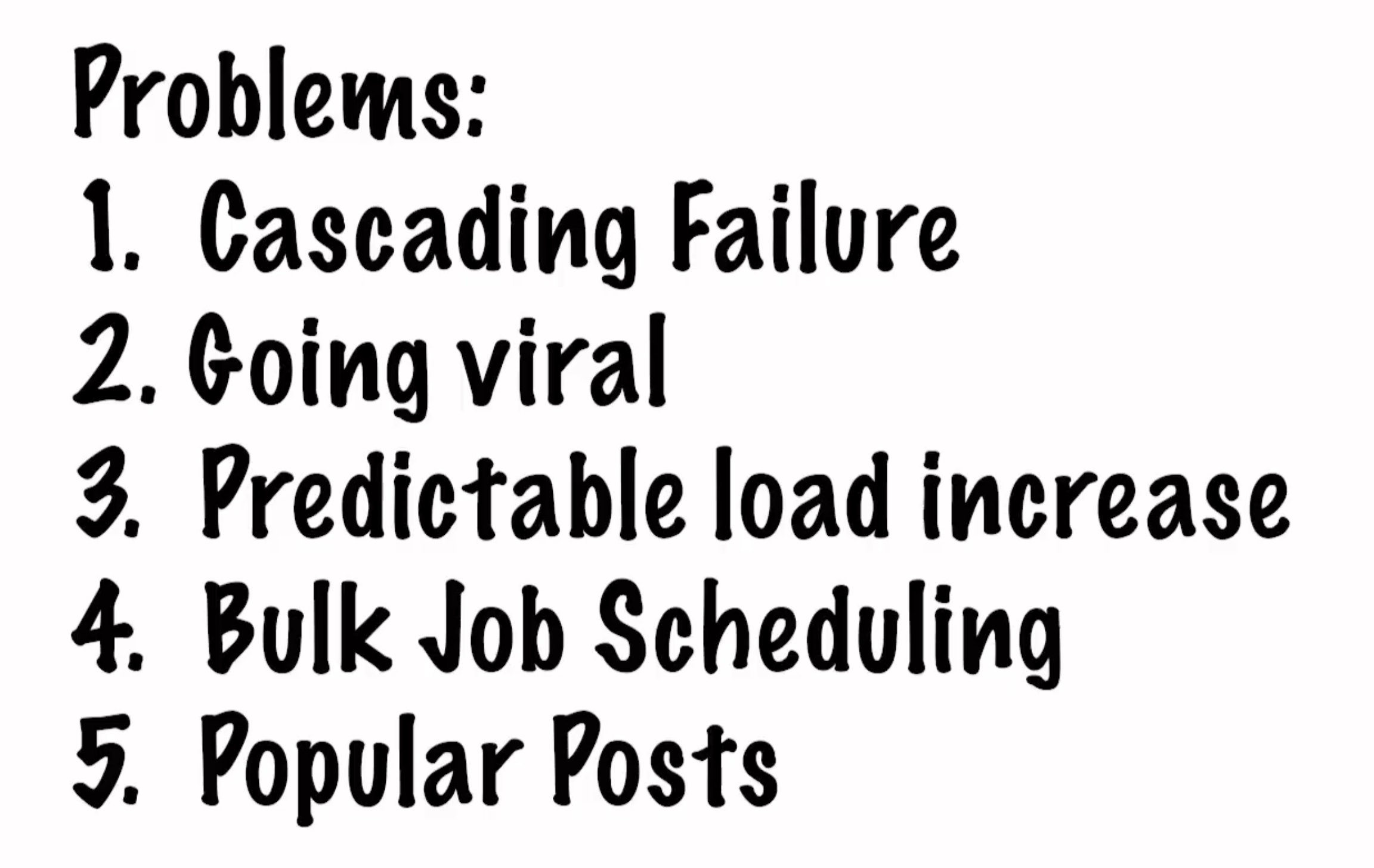 Figure 1: High concurrent traffic directly hitting centralized databases because expiration is synchronized.
Scenario B: Controlled Traffic (With Mitigation)
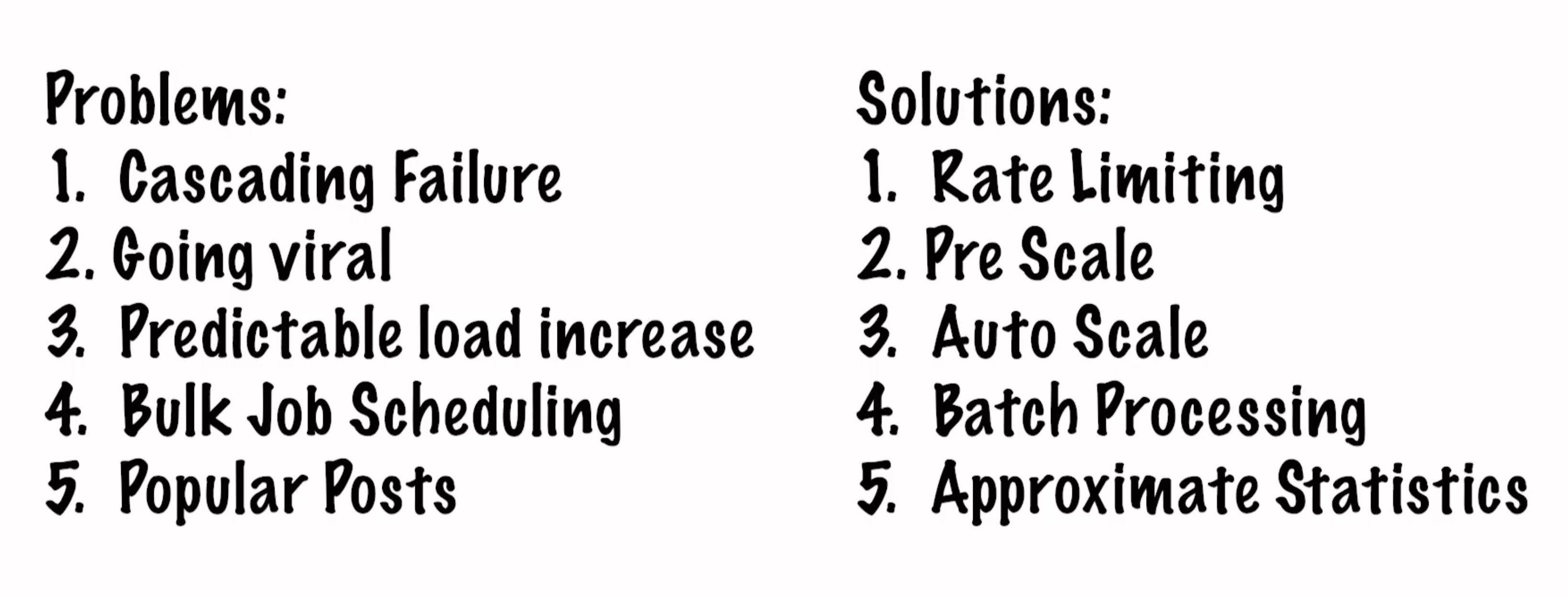 Figure 2: Implementation of staggered request distributions, rate limiting, and backoff mechanisms.
🛠️ 5. How to Prevent and Fix It
If you are building a system to withstand massive spikes, look into these foundational patterns:
1. Traffic Control
- Pre-Scaling: If you know Black Friday is coming, manually scale up your database replicas and compute instances before the traffic arrives.
- Intelligent Rate Limiting: Implement a token-bucket algorithm at your API Gateway to gracefully reject or throttle excess viral traffic before it breaks your core services.
2. Smart Scheduling & Coding
- Break Cron Jobs into Chunks: Instead of processing 1,000,000 records in one giant database query, break them into small batches and process them over a message queue (like RabbitMQ or AWS SQS).
- Add Jitter (Randomized Noise): Never let your servers retry failed tasks at exact intervals (e.g., exactly every 5 seconds). Introduce a small random delay:
This spreads the incoming traffic out over time so your servers can catch their breath.
📚 6. Real-Case Studies & Deep Dives
🎥 1. YouTube Video Delivery: The Jitter Strategy
When YouTube clients experienced network drops, millions of apps attempted to reconnect at the exact same sub-second interval, accidentally DDoS-ing YouTube’s own servers. They solved this by introducing randomized delay variables (jitter) on the client endpoints.
🛑 2. Avoiding Cascading Failures
A fantastic video presentation breaking down how a single slow downstream dependency can trigger an upstream retry storm, turning a small glitch into a total system blackout.
📖 3. Academic & Community Overviews
- To learn about core Operating System thread waking: Wikipedia: Thundering herd problem
- For the exact mathematics behind probabilistic cache invalidation (XFetch): Wikipedia: Cache stampede
- A beginner-friendly breakdown of microservice bottlenecks: Dev.to: Understanding the Thundering Herd Problem